Potatoes conquer Kirinda: the potato project
A pilot project shows that potatoes can grow in western Rwanda too: 1,000 kg of seed potatoes yielded a 3,000 kg harvest.
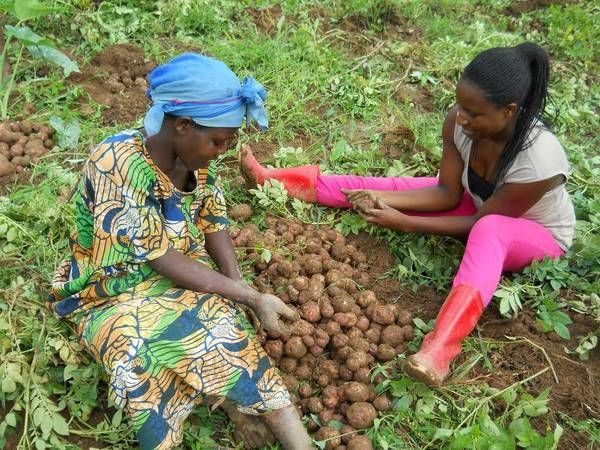
In northern Rwanda, potatoes have been grown successfully for a long time – thanks to the volcanic soil, the land there is very fertile. In the rest of the country, however, the potato is a fairly rare crop. Because the soil in the west differs from that in the north, a pilot project was deliberately set up first.
The pilot project
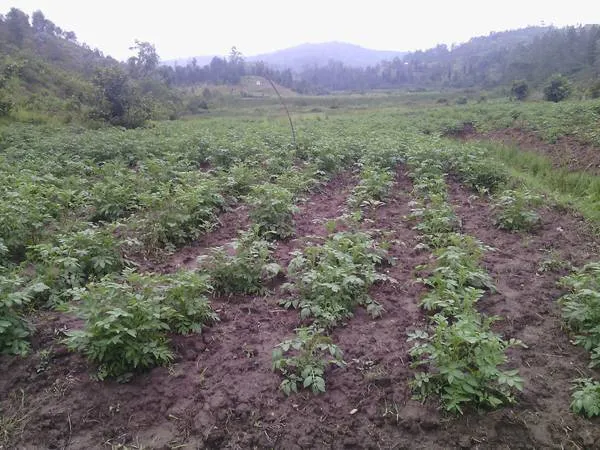
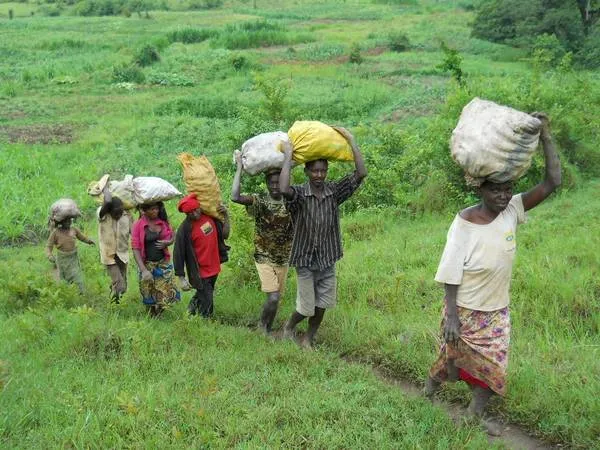
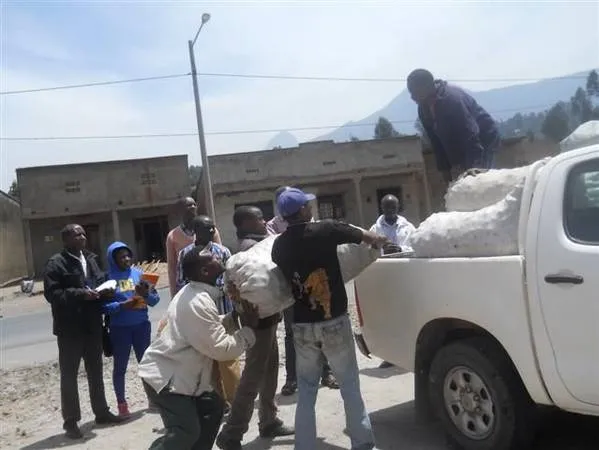
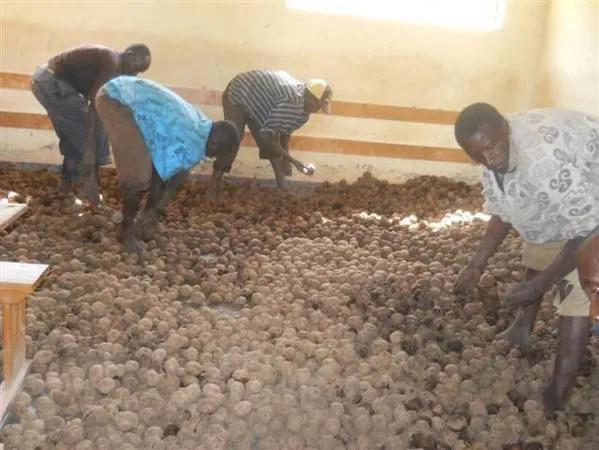
The fields were dug over at the end of July, and the seed potatoes were planted in the first week of September. In total, €3,400 was invested in the pilot project. In December, 3,000 kg of potatoes were harvested – a good result from 1,000 kg of seed potatoes, even though the yield did not match that of the north because there had been too much rain. The pilot project showed that potatoes can be grown in the west, too.
Potatoes improve people’s diet and bring variety to the table. If they are grown in larger quantities across the area, they can also significantly increase people’s income – a good step away from relying on maize and towards trying something new.
What happened next
To prevent disease, the crops on the fields are rotated: after the potatoes, maize and sweet potatoes were grown there, to be followed by beans and then potatoes again. There were also plans to offer pupils an agriculture subject in which they would learn all about growing vegetables such as potatoes.